.jpg&w=3840&q=75) Photo by JM Guthrie
Photo by JM Guthrie Predator Prey
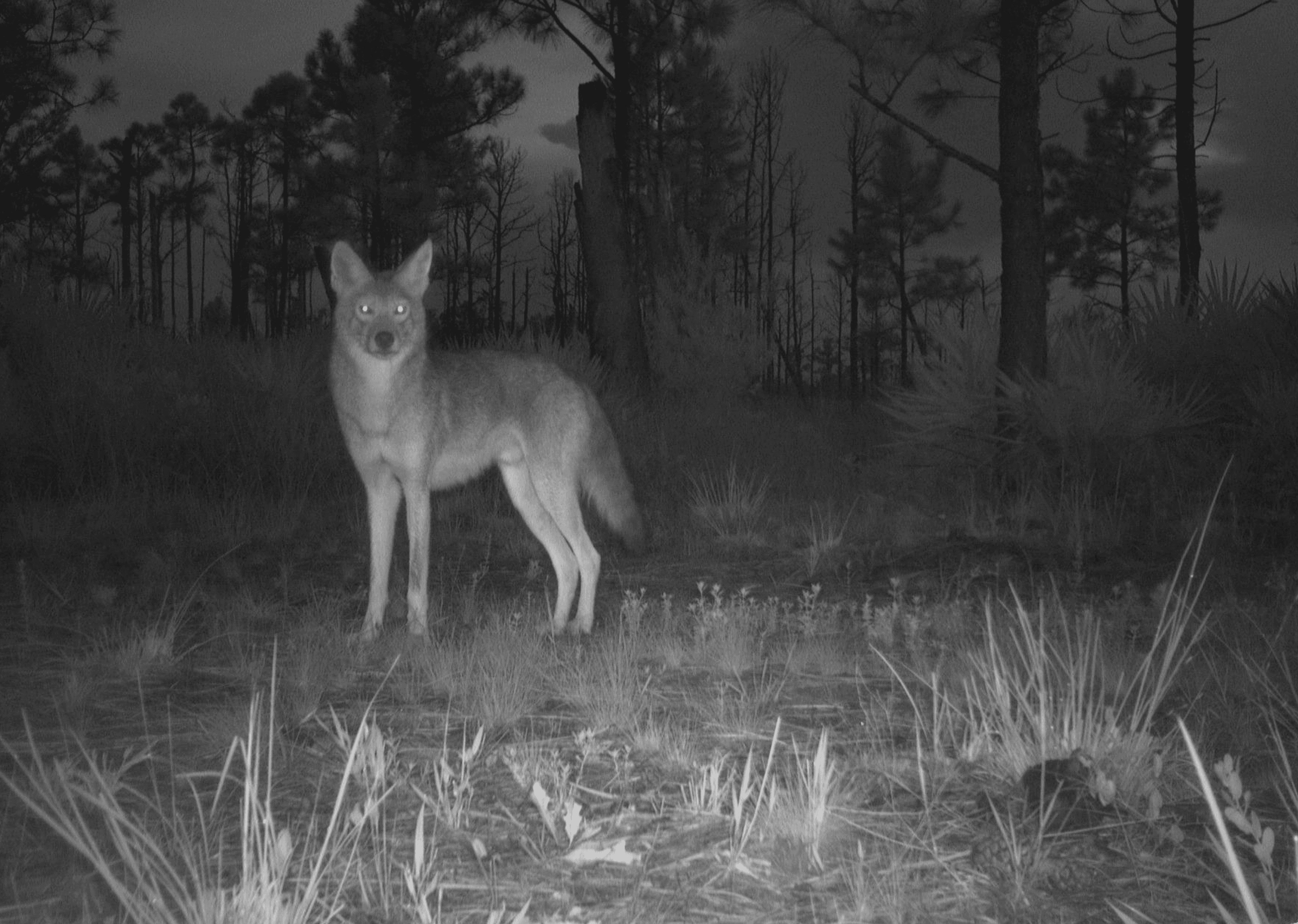
Archbold’s Predator-Prey Program investigates how carnivores and prey species interact across Florida’s landscapes, from the classic Florida scrub habitats of the Lake Wales Ridge to pine flatwoods of our ranchlands to the rural-urban fringe. South-Central Florida supports a unique carnivore guild, including bobcat, coyote, black bear and Florida panther. Understanding how these species respond to land management, development pressure, and measures to protect or restore ecological connectivity is central to ensuring long-term ecological resilience of the Florida Wildlife Corridor.
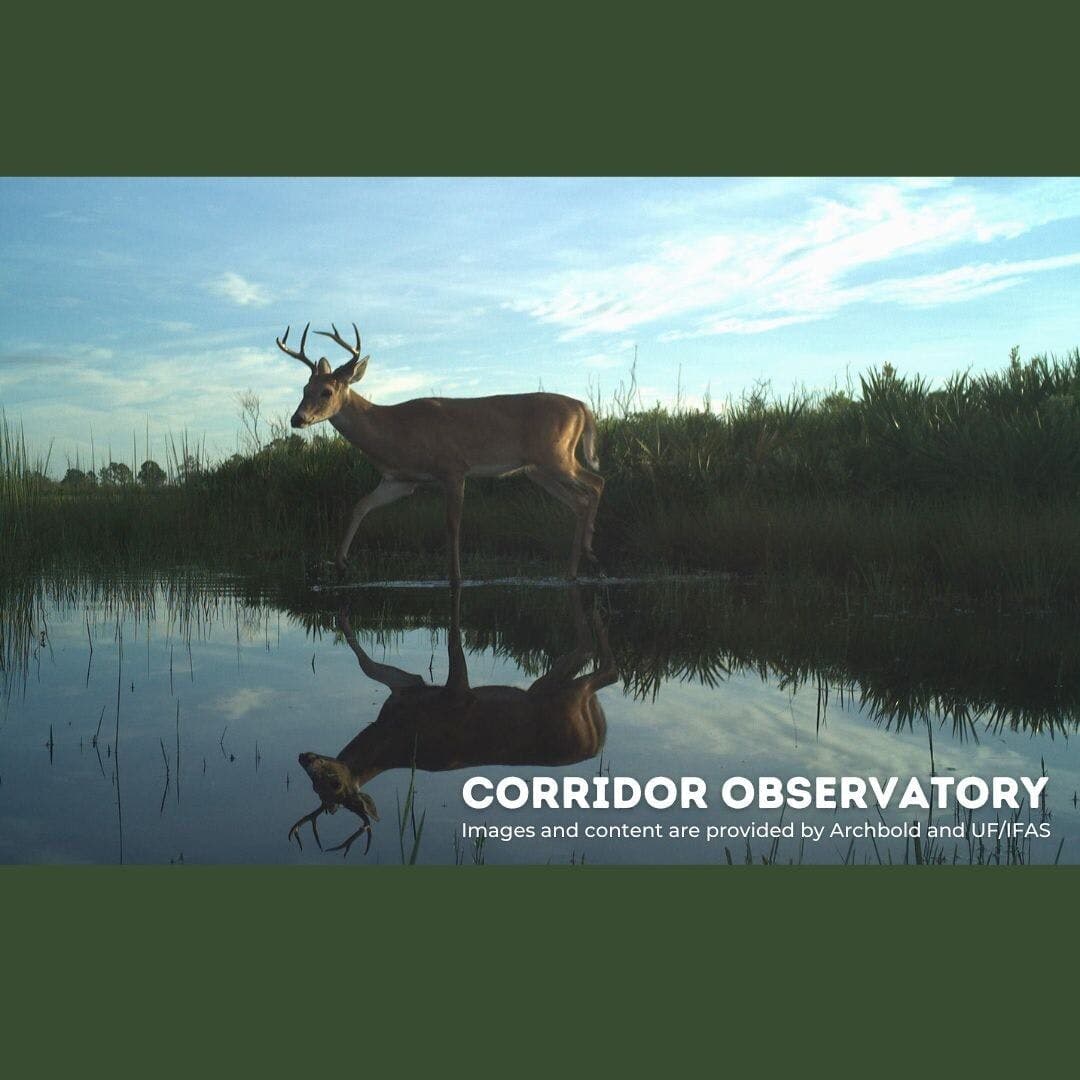
A defining feature of the program is the Corridor Observatory, a large-scale, long-term biodiversity monitoring network co-developed with institutional partners across Florida and the United States.
Program Information
More about this program
Primary Research Areas
Wildlife monitoring, mammal community dynamics, black bear ecology, camera trapping, machine learning in wildlife research, non-invasive methods
Primary Location(s)
Archbold Biological Station, Buck Island Ranch, Lake Wales Ridge, Headwaters of the Everglades Watershed, Florida Wildlife Corridor, DeLuca Preserve
People working in this program
.jpg&w=3840&q=75)
Related Projects
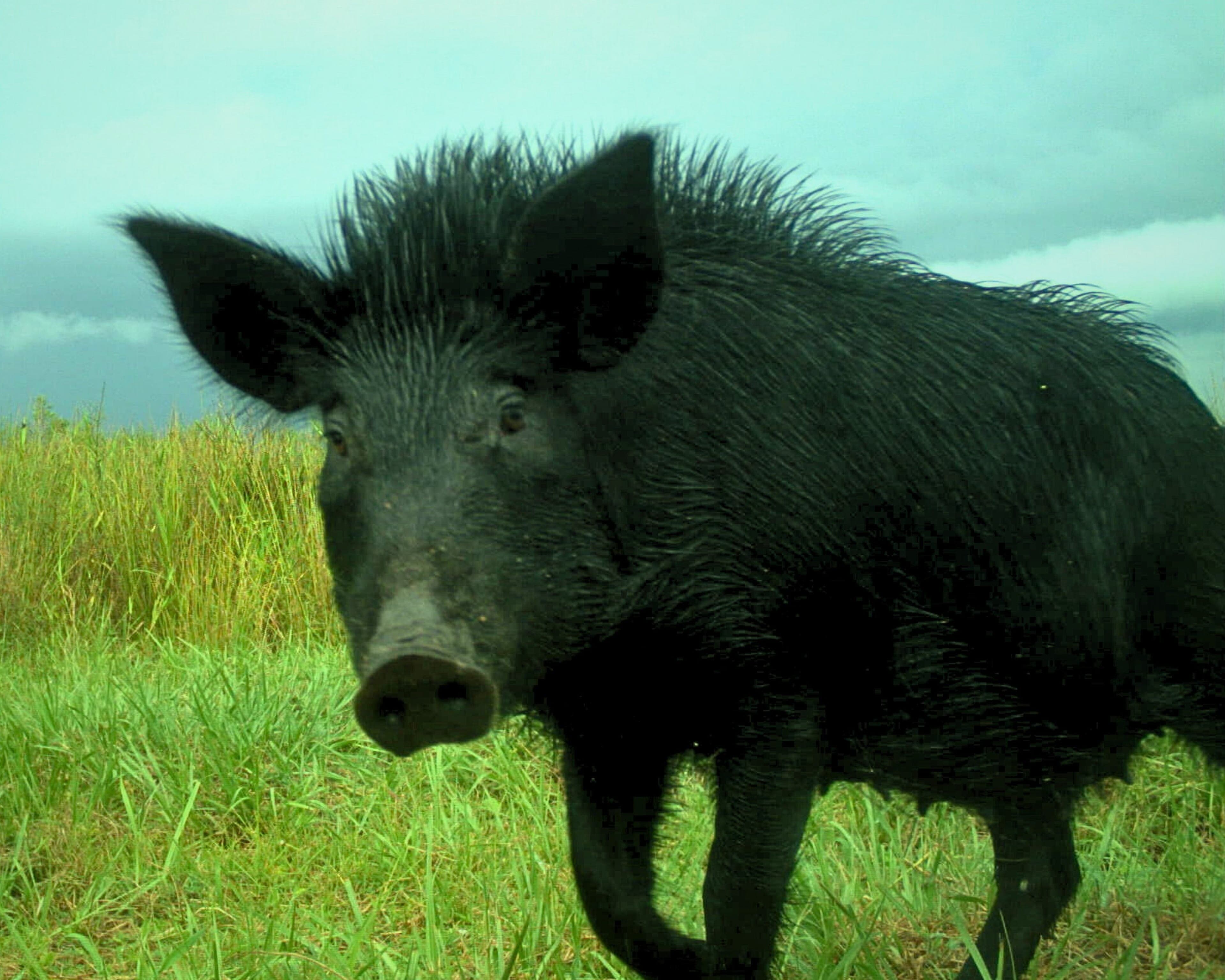
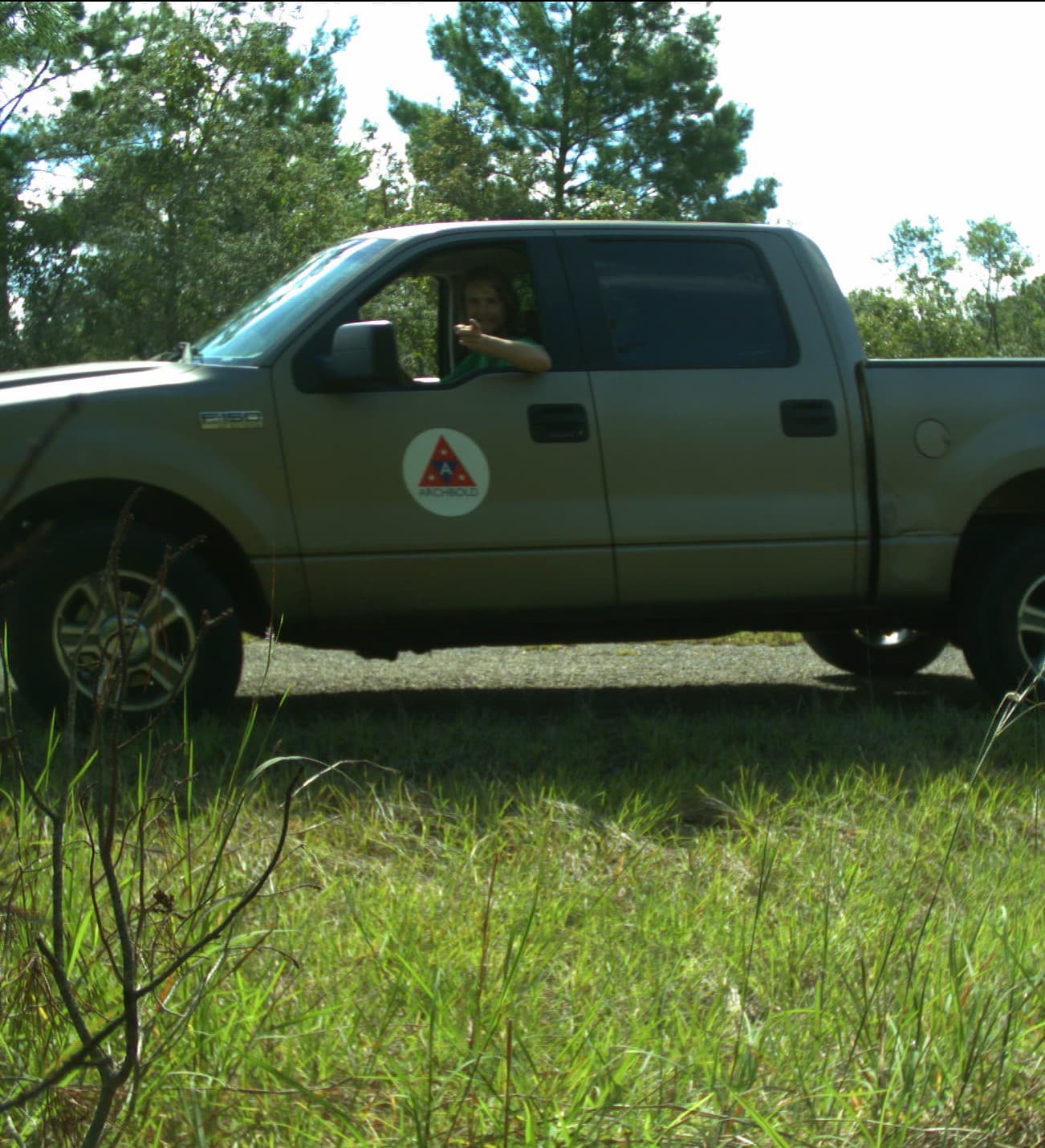 Corridor Observatory
_cropped.jpg&w=3840&q=75)
.jpg&w=3840&q=75) Photo by: JM Guthrie
Photo by: JM GuthrieFeatured News & Scientific Publications
.jpg&w=3840&q=75)
.jpg&w=3840&q=75)
Funders, Partners, Collaborators, Networks
-1.jpg&w=3840&q=75)


Explore Internships in the Predator Prey Program
Interns will be trained in every aspect of scientific research, from project choice, experimental design, and statistical analysis to oral and written presentations. Additional opportunities include developing field skill in camera trapping and tracking multiple mammal species, gaining experience working in the field on private working lands, gaining field experience in conservation biology, sharpening written communication skills through writing tasks.